
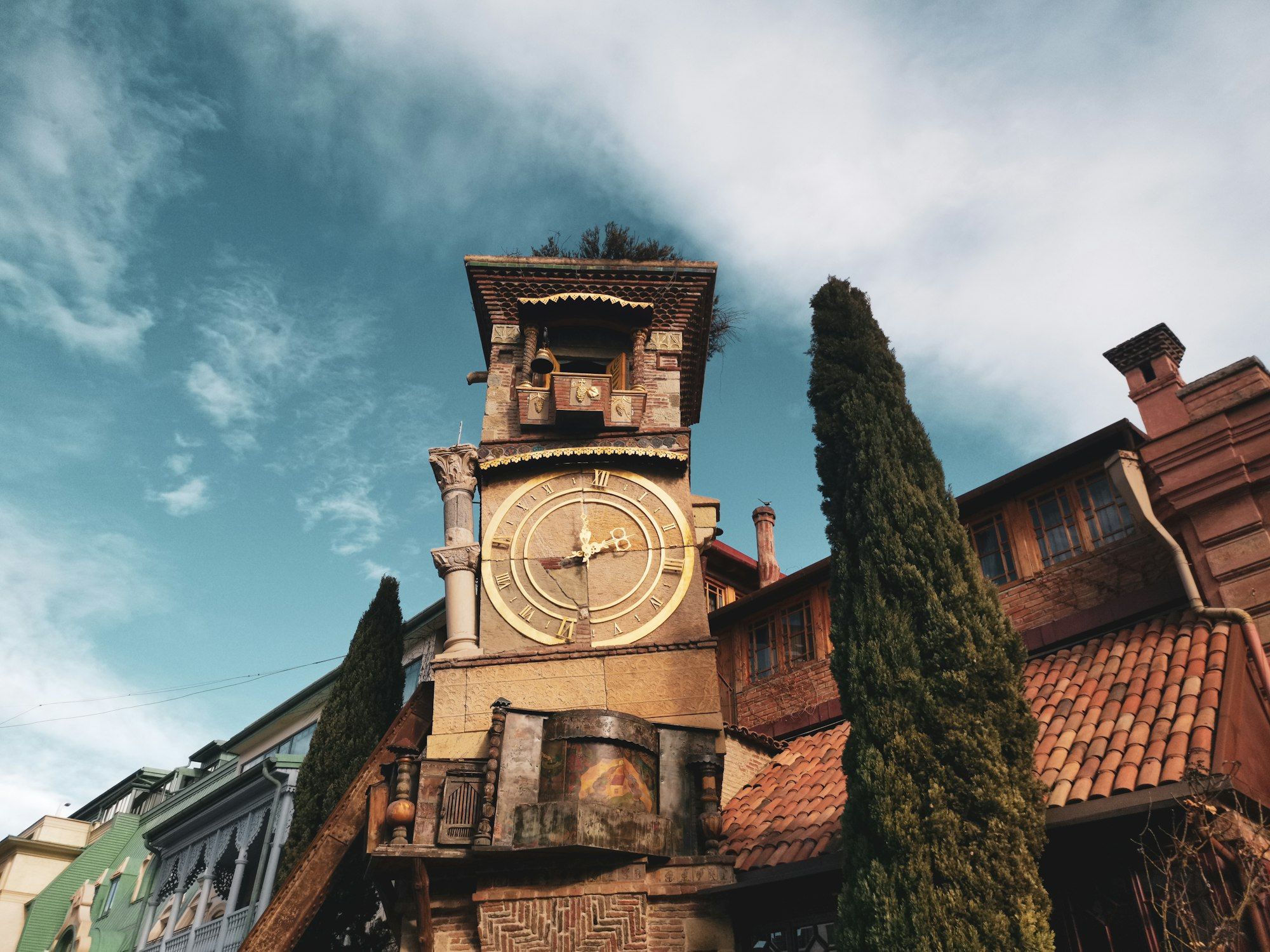
Tbilisi
Georgia’s capital, and for most of our guests the first and last word of a trip — a warm, walkable old town of carved balconies, sulphur baths and a fortress on the hill.
Getting your bearings
Tbilisi is Georgia’s capital and its own self-governing city — not one of the country’s regions but a place apart, set in a bend of the Mtkvari river in the middle of the country, and it is where nearly every trip we plan begins and ends. The airport is twenty minutes from the centre, and the city is small enough to cross on foot, which is the best way to meet it.
The heart of it is the Old Town, a tangle of lanes below Narikala fortress where wooden balconies lean over the street and a church, a mosque and a synagogue stand within a few minutes of one another. Ride the cable car up to Narikala for the whole city at once, then walk down to the sulphur baths of Abanotubani, where the domed bathhouses have drawn travellers to their warm water for centuries. Book a private room and soak; it is the oldest thing to do in Tbilisi and still one of the best.
Above the river, the newer districts — Sololaki, Vera, Vake — are where the good coffee, the wine bars and the small kitchens are, and where you feel the city as Georgians live it rather than as a museum.
Tbilisi is at its warmest and easiest in late spring and early autumn, when the courtyards are mild and the evenings run long. Midsummer is hot; winter is quiet and cheaper, with the balconies under frost.
It suits the start of almost any journey — a couple stepping off the plane, a family finding its feet, a wine trip gathering itself before the drive east. We usually give it two or three unhurried days before the road takes you on.
Where this could lead
Journeys through Tbilisi
Every trip we plan is custom. These are examples that spend real time here — a good way to picture how the days come together before we shape yours.
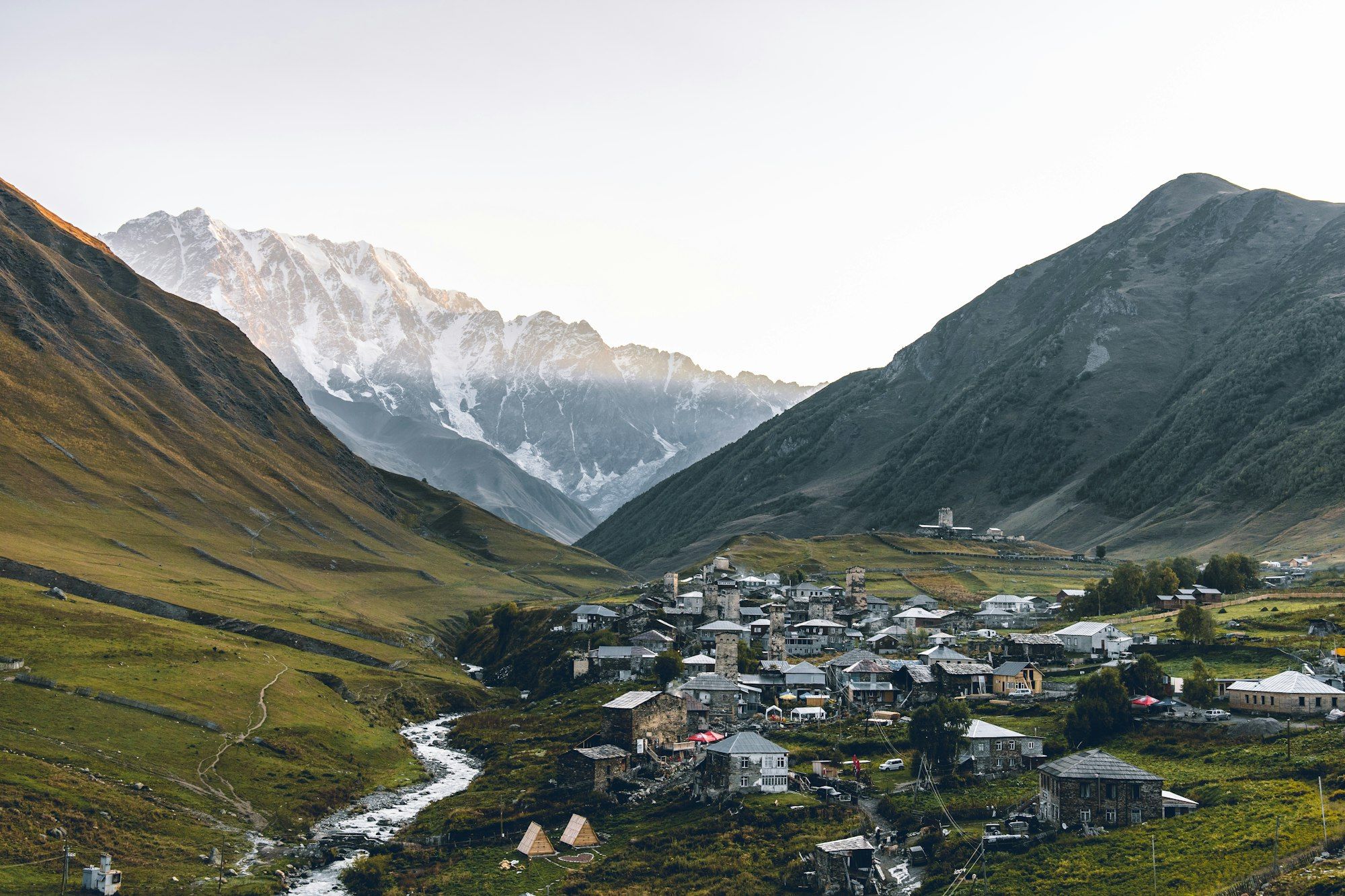
14 nights · Tbilisi, Kakheti, Kazbegi & Svaneti
The Full Georgia: Fourteen Nights, Four Regions
City, vineyards and two mountain worlds in one unhurried loop
See this journey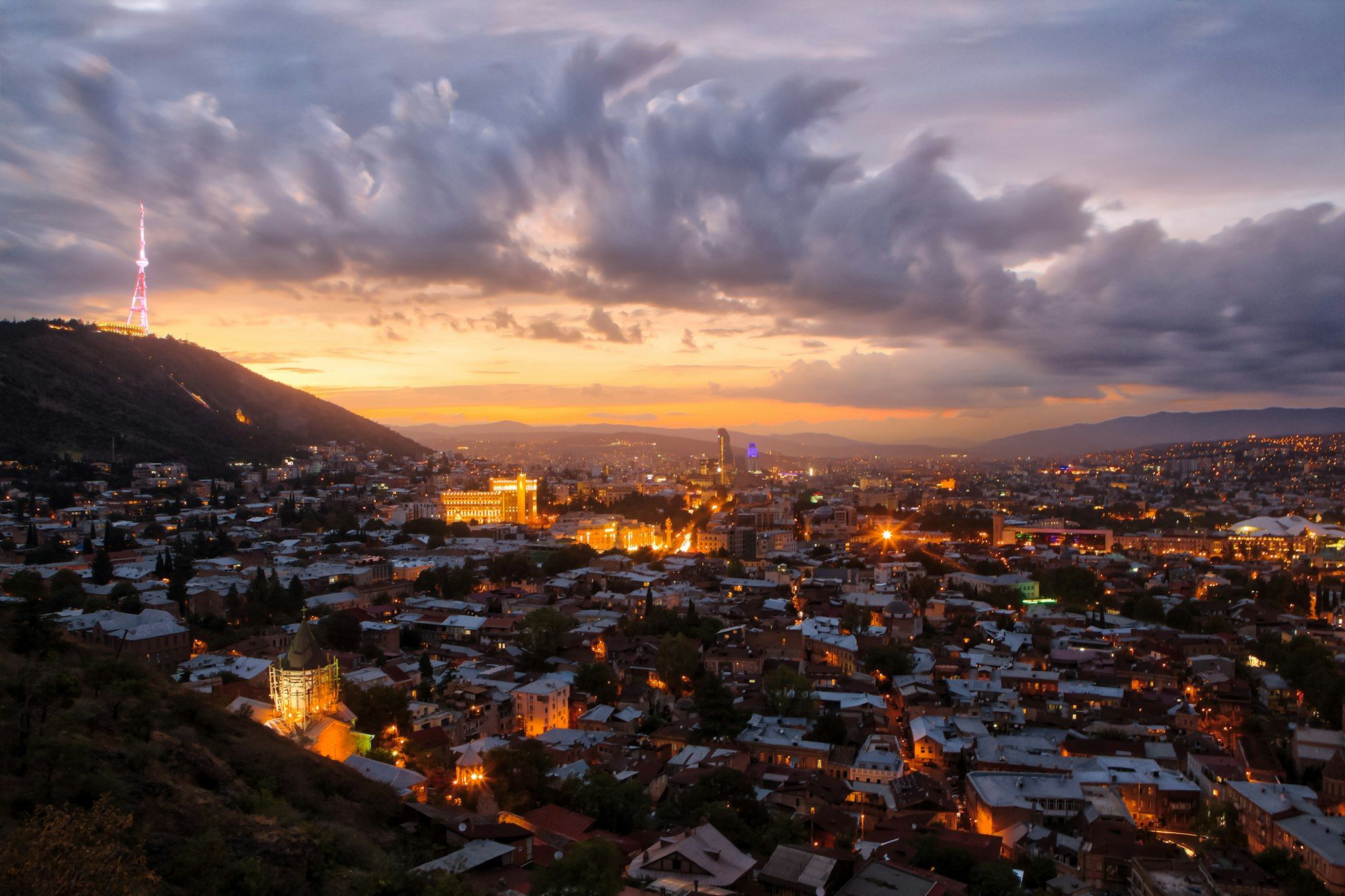
7 nights · Tbilisi, Kazbegi or Kakheti
The Honeymoon: Tbilisi, Kazbegi or Kakheti
Seven quiet nights — the old town first, then north to the mountains or east to the wine country
See this journey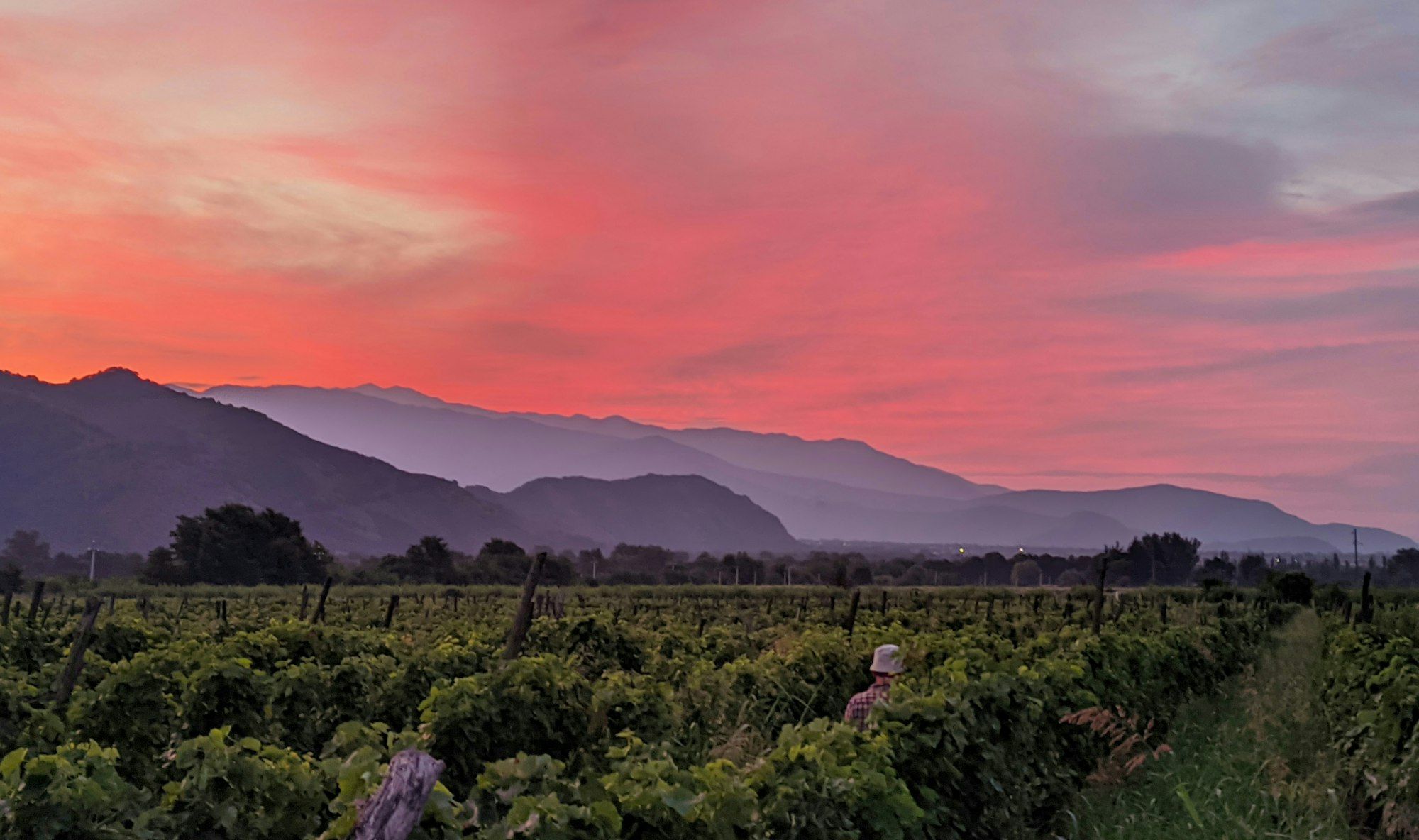
5 nights · Kakheti & Tbilisi
The Wine Route: Five Days Among the Qvevri
Kakheti for people who read the back of the bottle
See this journeyStart planning
Tell us about the trip you have in mind.
Message us on WhatsApp or send the short form. It is usually Nia who replies, within 24 hours.