
Vegetarian food in Georgia: a complete guide
What vegetarians actually eat in Georgia — khachapuri, lobio, pkhali, meat-free khinkali — and how we brief kitchens so no diet is left to chance.
Nia Travel · · 5 minute read
Vegetarians eat properly in Georgia — not adequately, properly. Georgian cooking has a deep meat-free tradition of its own, built on walnuts, beans, aubergine, cheese, herbs and bread, so a vegetarian at a Georgian table is choosing between good things rather than asking for exceptions. Stricter or more particular diets take real planning, and we do that planning ourselves — but the starting point is a cuisine that was never mainly about meat.
First, the food itself — because the fastest way to stop worrying about eating in Georgia is to see how much of the national table you can already eat.
What a vegetarian actually orders here
These are the dishes we point first-time guests to, by name, so you can order them yourself anywhere:
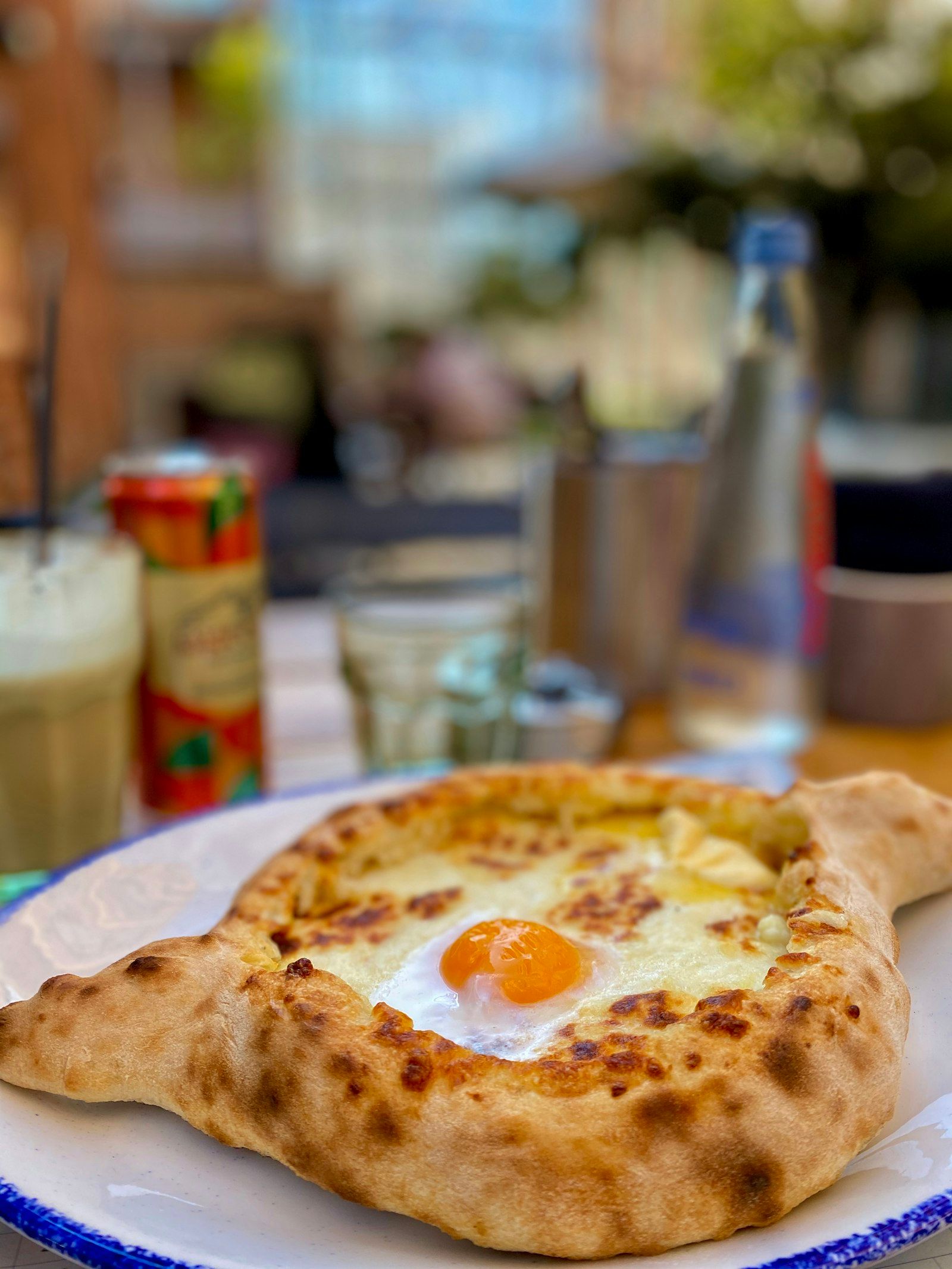
- Khachapuri — the cheese bread the country runs on. Imeruli is the everyday round, cheese sealed inside; adjaruli is the open boat from the Black Sea coast with an egg dropped into the molten centre; megruli doubles the cheese on top. One adjaruli feeds one hungry person or two sensible ones.
- Lobio — slow-cooked beans, usually in a small clay pot, dense with coriander and spice, eaten with pickles and mchadi, a griddled cornbread. The closest thing Georgia has to a comforting bowl of dal, and the dish our guests adopt fastest.
- Pkhali — spinach, beetroot leaf or leek pounded with walnuts, garlic and vinegar into little pâtés, topped with pomegranate seeds. A cold starter that quietly becomes the thing you order at every meal.
- Badrijani nigvzit — fried aubergine rolled around walnut paste.
- Mushrooms on ketsi — field mushrooms baked in a clay dish, often under sulguni cheese.
- Jonjoli — pickled bladdernut flowers, sharp and grassy, unlike anything at home.
- Matsoni — Georgia’s yoghurt, at breakfast with honey.
Two honest cautions. Some soups and stews that read as vegetable dishes are built on meat stock, and lobio in a tourist café is occasionally cooked with ham for depth — so the question to ask, or that we ask for you, is not “is there meat” but “is it cooked with meat”. And in high summer the tomato-and-cucumber salad with walnut dressing sounds like a side dish until you taste Georgian tomatoes, after which it is the meal.
Khinkali without the meat
Khinkali — the pleated, palm-sized dumplings — are Georgia’s most loved dish, and the standard filling is spiced meat and broth. Vegetarians are not left out: nearly every khinkali house also makes them with mushroom, with potato, or with cheese, and in autumn some kitchens fill them with nettles. Ask for sokos khinkali (mushroom) or kartopilis khinkali (potato).
Eating them is a small skill: no cutlery. You hold the dumpling by its twisted topknot, bite a window in the side, drink the juices, then eat the rest and leave the doughy knot on the plate. The clip below shows the grip — practise once and you will pass for a local by the second plate.
Stricter diets, handled honestly
Some diets ask for more than choosing the right dish, and we would rather be plain about that than discover it together at dinner. Strict vegan, no-onion-and-no-garlic Jain cooking, or a serious allergy all run up against a cuisine where onion, garlic and coriander are the base of almost everything savoury. It can be done, but only with a real conversation in the kitchen.
Here is what we actually do, because “we will manage it” is not an answer:
- We brief every kitchen ourselves, in Georgian, before you sit down. Not a note on a booking — a conversation with the cook about what leaves the recipe, and what must be prepared separately so it does not touch the standard batch.
- We lean on the dishes that are naturally close. Pkhali can be pounded without garlic; lobio can be cooked as a plain-bean version; khachapuri, mchadi, matsoni, rice, salads and the whole walnut-and-herb repertoire carry a strict table further than you might expect.
- We use kitchens that already know us. In Tbilisi and in the family cellars of Kakheti we work with cooks who have fed particular diets before; a family kitchen cooking one meal for one table is far easier to keep strict than a hotel buffet.
What we will not promise: that every meal in a remote mountain guesthouse can be made compliant to the strictest standard. In Ushguli, the kitchen is one hearth and one grandmother. What we can promise is that no meal on your route is left to chance — every table is arranged, briefed and confirmed before you land.
The supra, meat-free
Sooner or later Georgia will sit you down at a supra — the long table of shared plates that stands in for both dinner and entertainment. Good news: a supra is structurally kind to vegetarians. Dishes arrive in waves and everything is shared, so the table simply tilts — more pkhali, more lobio, more bread and cheese, the aubergine twice — and nobody is staring at a special plate that marks them out. Tell us the mix of your party and we will make sure the balance is set before the first toast.
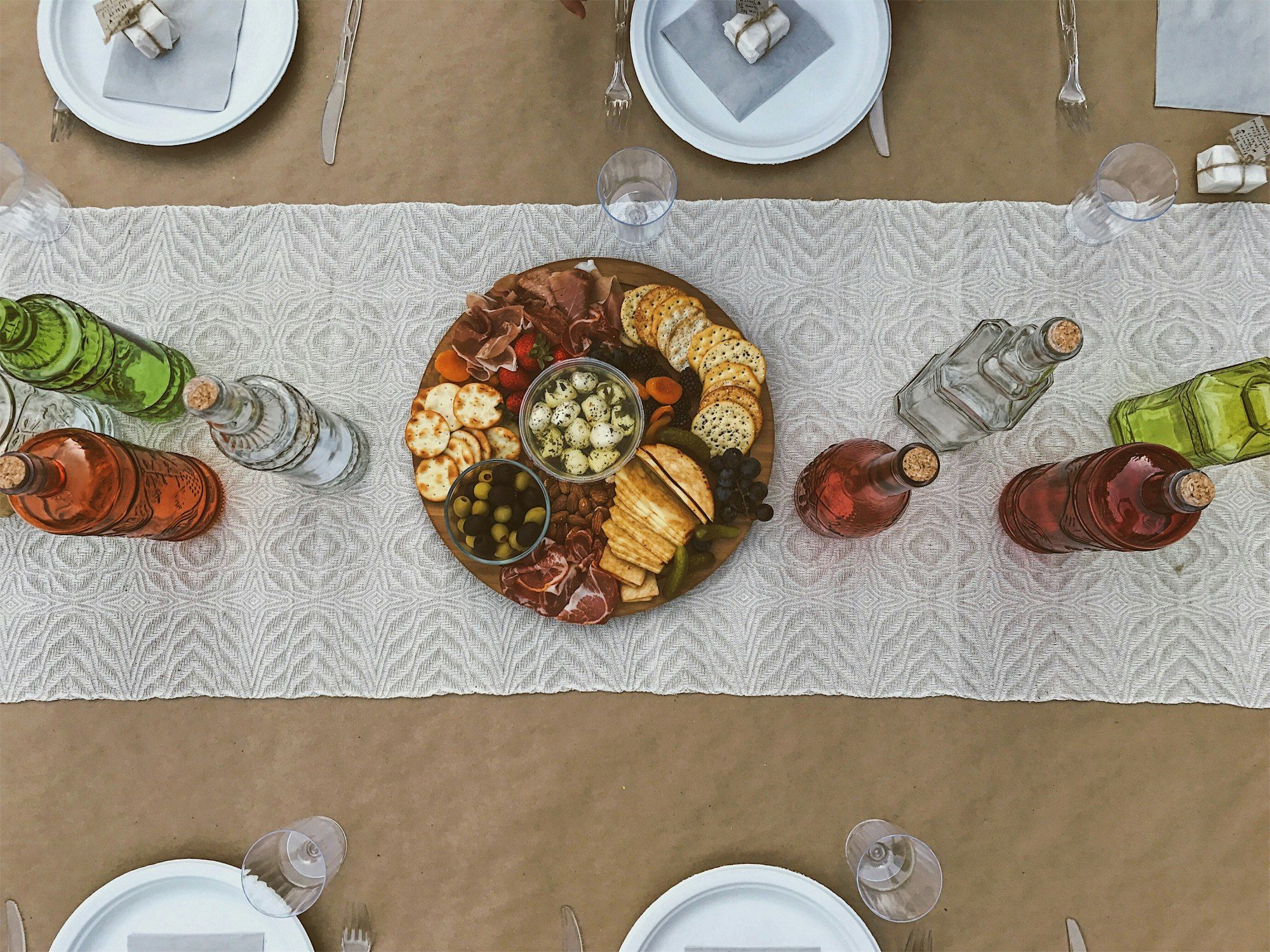
Wine deserves one line: Kakheti’s Qvevri wines are the country’s pride, and a tasting in a family marani is worth having even if half your table drinks nothing stronger than tarragon lemonade — the cellar, the clay vessels and the bread that comes with it are the point. Kitchens are used to teetotal guests; nobody will press you.
How this works on a real trip
When you write to us, tell us exactly what you keep — vegetarian, vegan, no eggs, halal, an allergy, a strict no-onion-no-garlic table — and we plan the trip table by table around it: which khachapuri region you should eat in, which cellar cooks the vegetarian supra, where the one reliable briefed kitchen in a mountain town is. Food is not an add-on to our itineraries; on a trip like five days on the wine route in Kakheti, it is half the reason to come.
If eating well without worry is the thing standing between your family and this trip, that is precisely the problem we are best at solving. Write to us with your restrictions — the stricter, the more useful — and we will reply with how we would feed you, place by place.
Where this could lead
Journeys that answer this in person
Every trip we plan is custom. These are examples we have shaped before — a good way to see how the days come together before we plan yours.
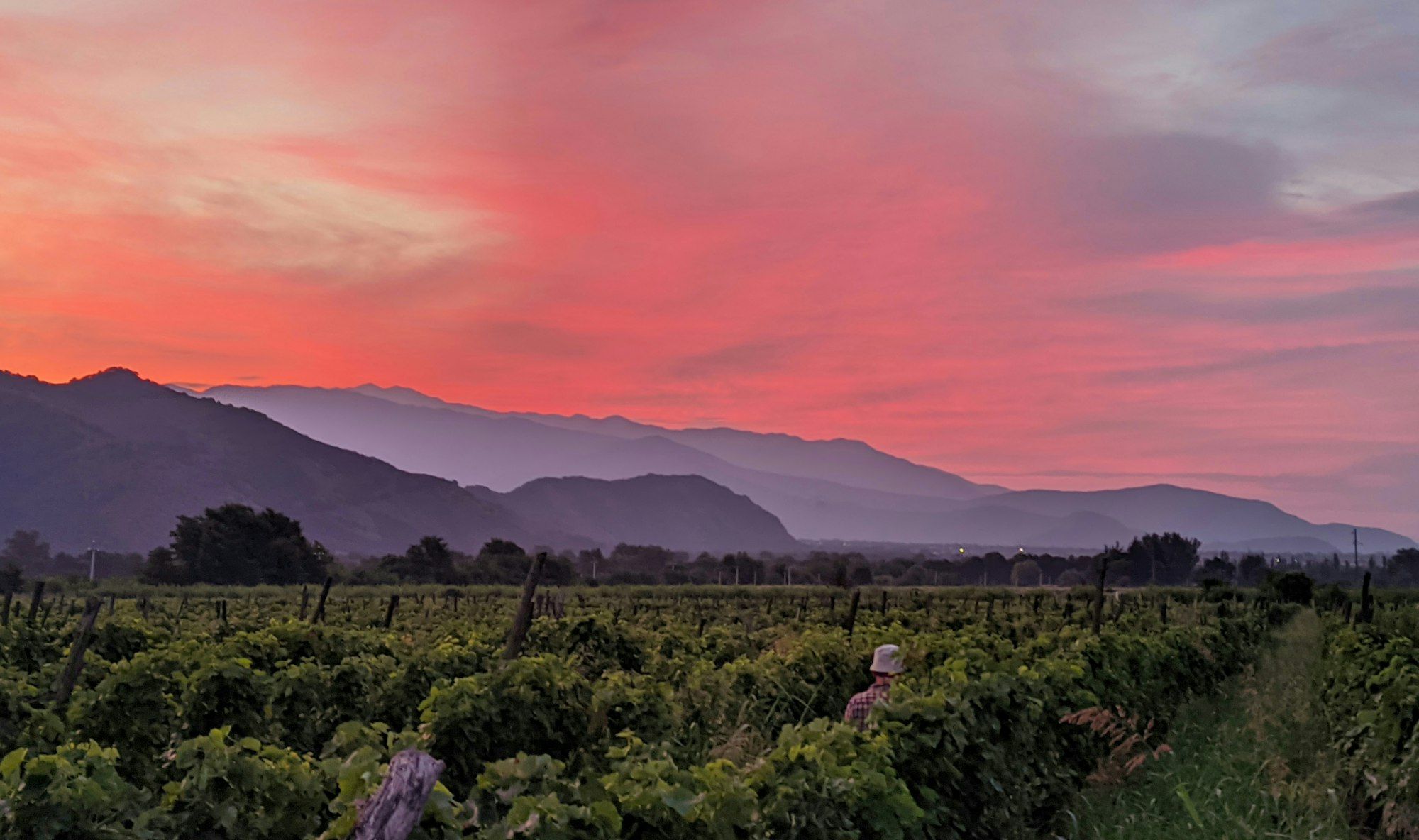
5 nights · Kakheti & Tbilisi
The Wine Route: Five Days Among the Qvevri
Kakheti for people who read the back of the bottle
See this journey
7 nights
The Family Trip: Ski Winters, Sea Summers
One family, two very different weeks — depending on the season, choose snow at Gudauri or the Black Sea coast
See this journeyStart planning
Now ask us about your trip.
An article answers in general; a plan answers in particular. Message us on WhatsApp or send the short form and we will reply within 24 hours.