
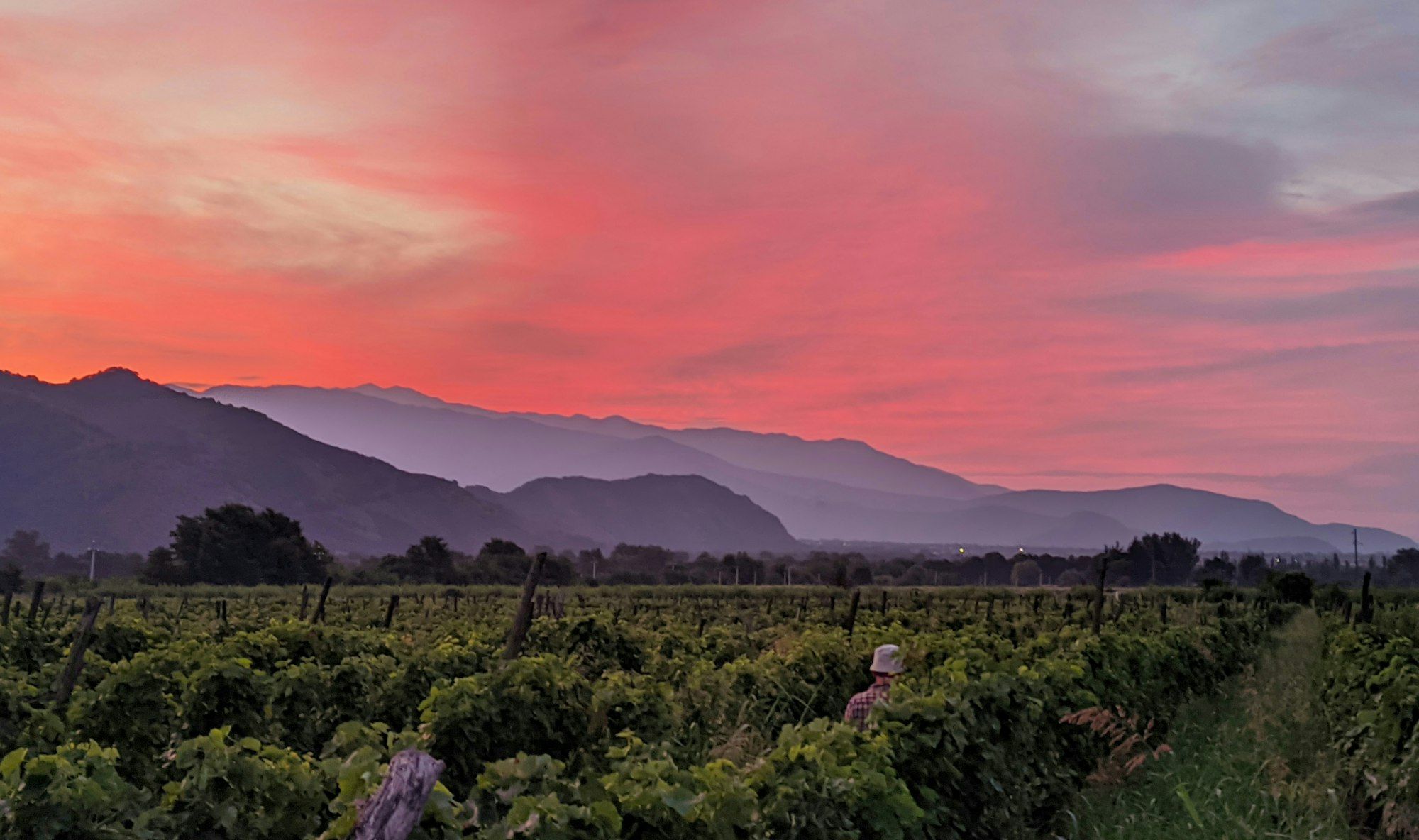
The Wine Route, from the Qvevri up
Eight thousand years of Qvevri winemaking, a tasting with the family who made the bottle, and the rush of rtveli, the autumn harvest. The Kakheti wine route for people who read the back of the label.
Georgia is where wine was born. Not as a marketing line — archaeologists have pulled eight-thousand-year-old residue from clay vessels south of Tbilisi, the oldest yet found anywhere. What makes Kakheti worth a week is that this is not a museum. The method that began here is still the everyday way people make wine, in cellars behind farmhouses, and we plan the trip so you meet it at the source rather than through a tasting-room window.
The Qvevri, and why it matters
A Qvevri is a beeswax-lined clay vessel, buried to the neck so the earth holds a steady cool, where the juice ferments and rests on its skins for months. From white grapes that long contact draws out amber wine — deeper, more tannic and more alive than anything the word “white” prepares you for. UNESCO lists the Qvevri method as living heritage, and once you have tasted a skin-contact rkatsiteli beside a factory chardonnay, the argument is over. We start most trips with a cellar visit so the rest of the week has a frame.
The families who make it
The good bottles here come from small hands. We arrange tastings with the people who actually make the wine: names you may know, like Pheasant’s Tears in Sighnaghi, where the amber wines are pressed the old way, and the family maranis — cellar rooms — in the villages around Telavi, the market town at the heart of Kakheti, where a visit means bread, cheese, a slab of the host’s saperavi and an afternoon that runs long. We can add the monastic cellars at Alaverdi, where monks have made wine since the eleventh century. You will meet saperavi and rkatsiteli, then the rarer kisi and mtsvane, and leave knowing which is yours.
Much of this is home-made wine in the plainest sense — pressed in the yard, fermented in Qvevri under the cellar floor, by methods handed down inside a family rather than written anywhere. In season, that becomes an experience rather than a story: guests join the work, tipping grapes into the press at harvest or standing beside the winemaker as he lifts the seal on a Qvevri that has rested since autumn, with every step explained by the person whose family taught it.
Rtveli, if the timing is right
Come in late September or October and you land in rtveli, the grape harvest, which in Kakheti is less a chore than a village party. You can pick alongside the family, tip your basket into the press, and stir the pot for churchkhela, the strings of walnuts dipped in grape must that hang like candles in every market. It is the warmest week of the Georgian year to travel, and worth planning a trip around.
A driver, so no one has to spit
The practical heart of it: we send a private car and a driver who knows the back roads of Kakheti, so every tasting is yours to enjoy and no one is watching the clock or the wheel. Stays sit among the vines, the tables are booked with the winemakers themselves, and a supra or two finds its way onto the week.
Tell us what you like in a glass and roughly when you would travel, and we will shape a wine week around it, with a first draft back to you inside a day.

Where this could lead
Journeys that begin here
Every trip is built from scratch. These are examples we have shaped before — a good way to see how the days come together before we plan yours.
5 nights · Kakheti & Tbilisi
The Wine Route: Five Days Among the Qvevri
Kakheti for people who read the back of the bottle
See this journey
7 nights · Tbilisi, Kazbegi or Kakheti
The Honeymoon: Tbilisi, Kazbegi or Kakheti
Seven quiet nights — the old town first, then north to the mountains or east to the wine country
See this journey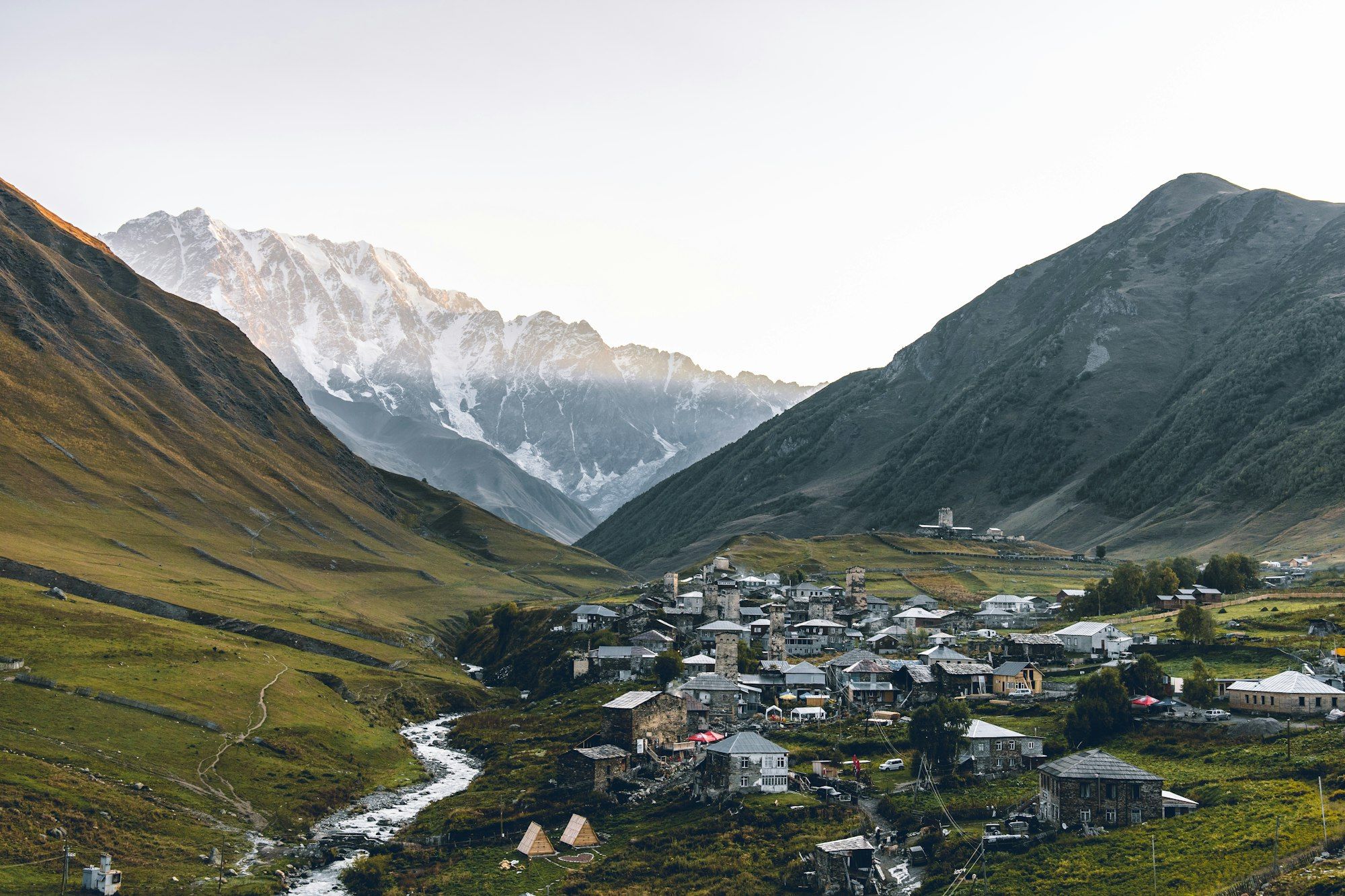
14 nights · Tbilisi, Kakheti, Kazbegi & Svaneti
The Full Georgia: Fourteen Nights, Four Regions
City, vineyards and two mountain worlds in one unhurried loop
See this journeyStart planning
Tell us about the trip you have in mind.
Message us on WhatsApp or send the short form. It is usually Nia who replies, within 24 hours.